Reading a car without opening the hood
Why we measure how a car behaves on the road, through its own diagnostic port, instead of guessing from photos.
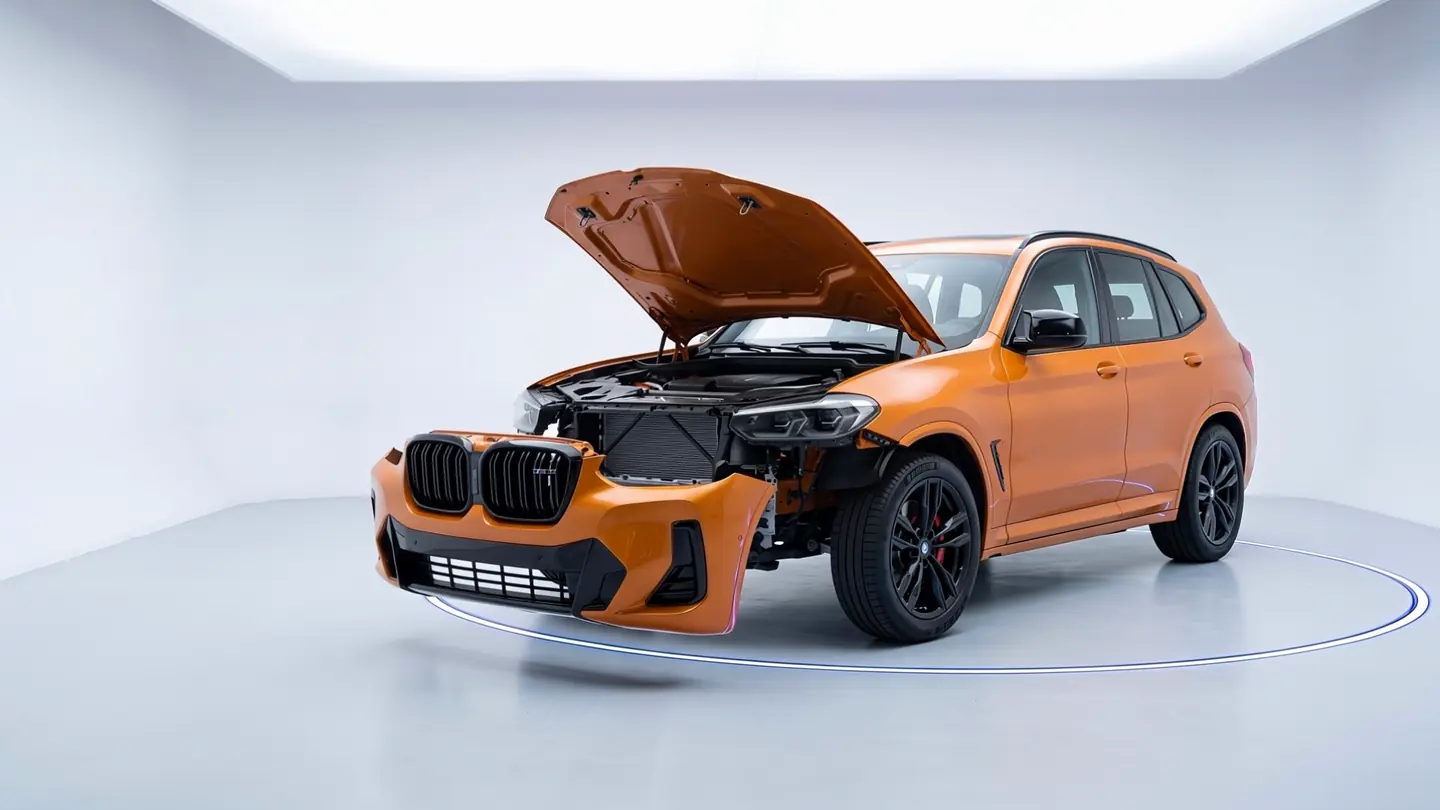
Most used-car inspections still rely on what a person can see and hear in a few minutes: the bodywork, a warning light, the sound of the engine at idle. What happens under load, in the brakes or in the suspension stays largely invisible.
DeepDiag starts from a different idea: the car already measures itself. Modern vehicles record a large amount of data about how their systems behave, and that data is available through the diagnostic port.
During a short road test, a DeepDiag device on that port records the car's own signals while it accelerates, brakes and makes a U-turn. Nothing is taken apart and the hood stays closed.
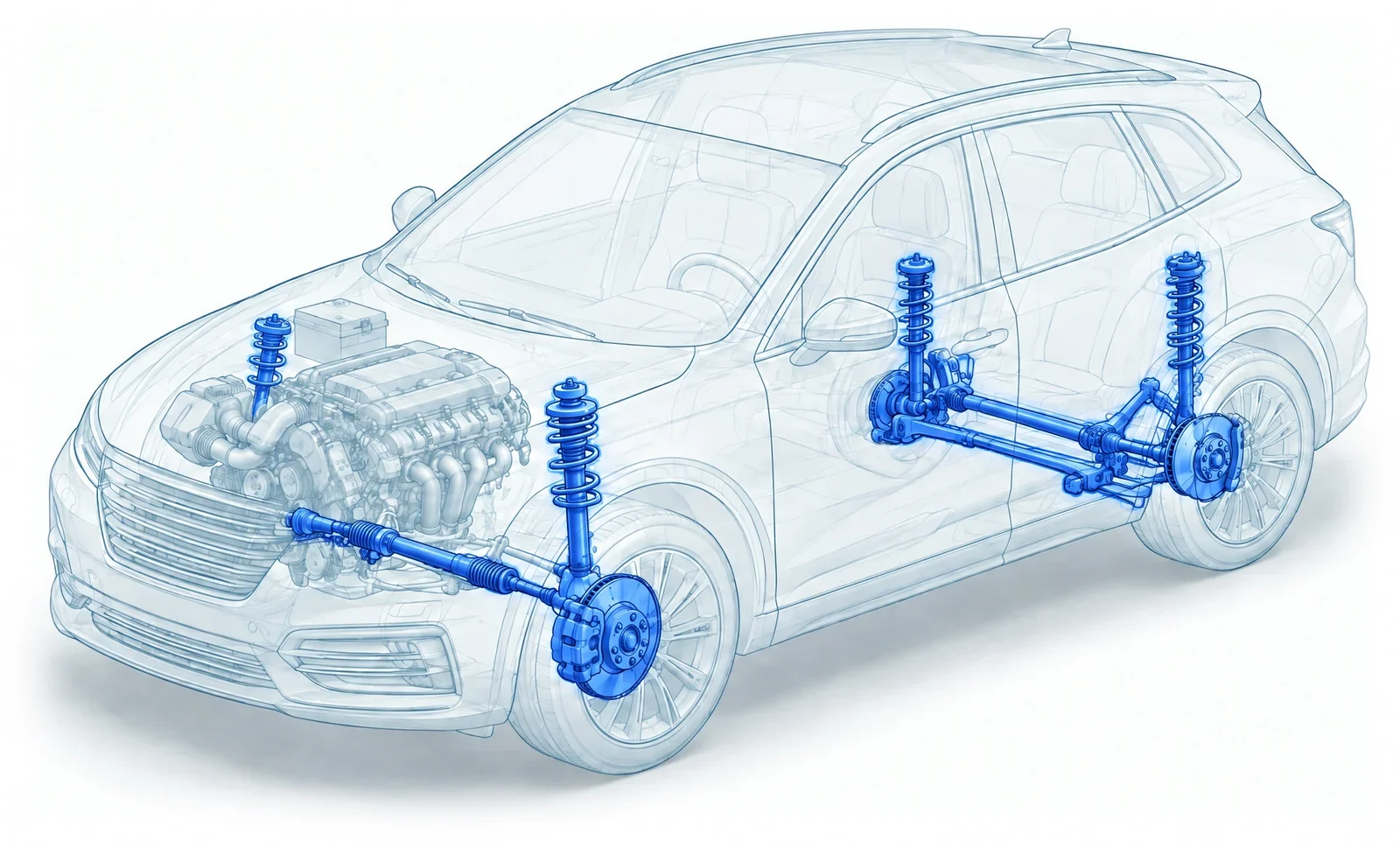
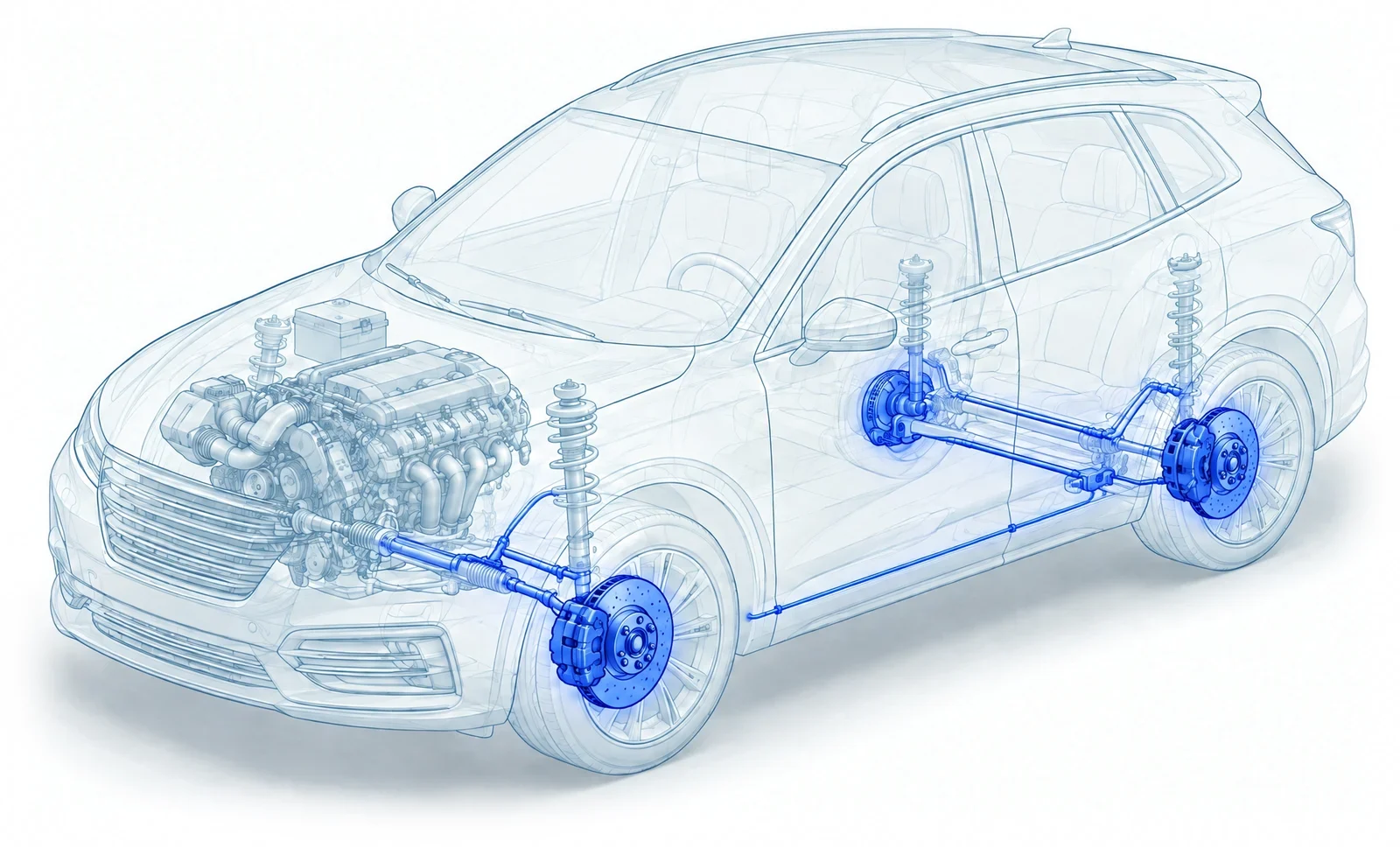
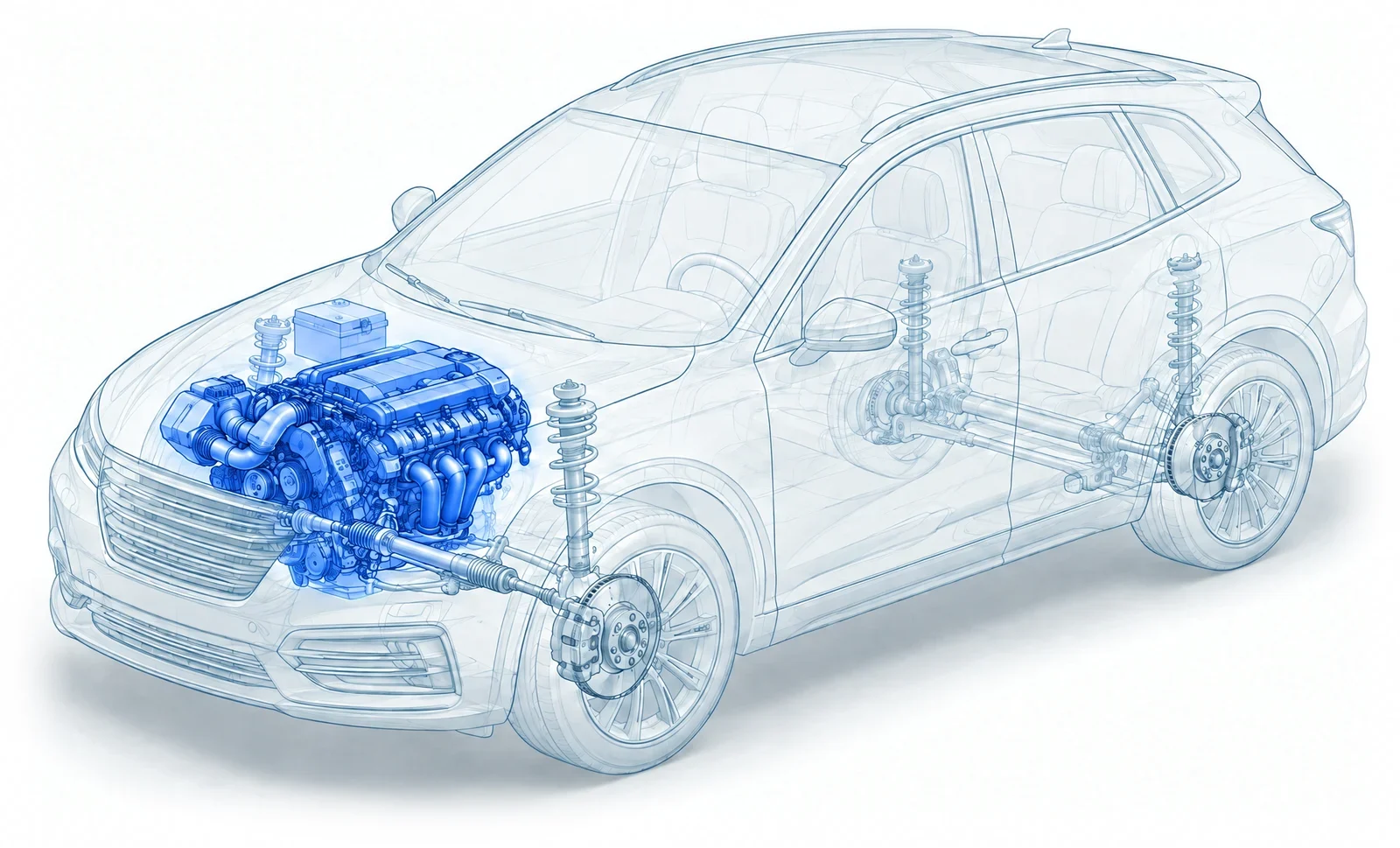
Physics-informed models then compare what was recorded with how a healthy car of that kind should behave. The result is a finding per system — engine, battery, suspension, brakes — added to the inspection report.
The inspector is still there. What changes is that the verdict rests on measurements rather than on an impression, and that the same car gets the same verdict wherever it is tested.
These notes describe the method in general terms. Findings in a report always come from the car's own road test.