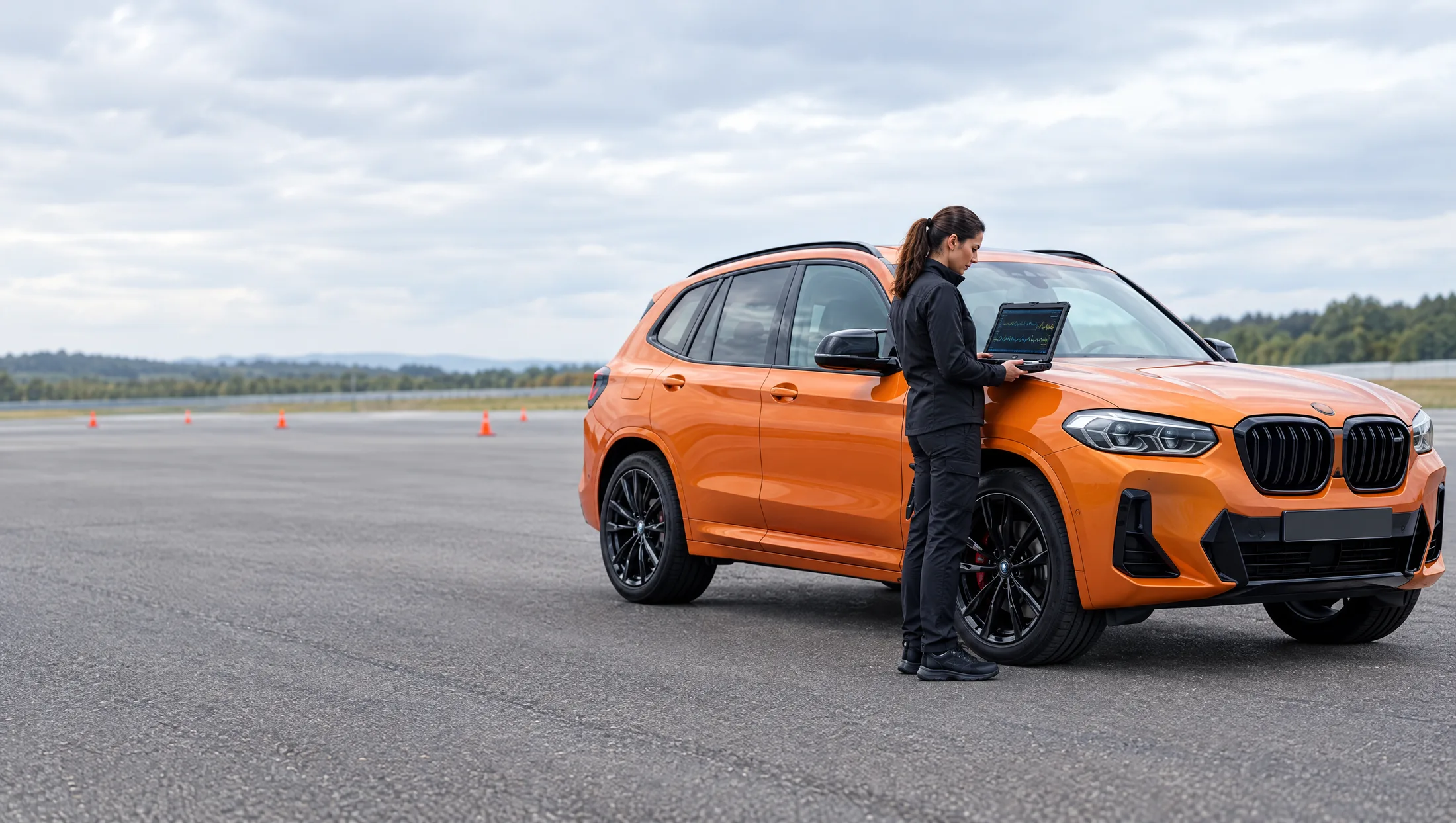
Ground simulation in real drives.
Steer AI, the AI infrastructure for the used-car economy, captures how vehicles actually behave on the road, read from their own signals on a standard road test, and turns it into structured data for modelling and validation.
Why road miles aren't enough
You can't drive your way to certainty.
Validation needs both: real-world data to stay honest, and simulation to cover what no fleet can drive.
of miles of test driving alone would be needed to demonstrate autonomous-vehicle reliability — from hundreds of millions to hundreds of billions.
Virtual testing, simulators and scenario testing are needed alongside road miles, RAND concludes.
Accelerate, brake, U-turn: every Steer road test records the same manoeuvres, so drives are comparable.
How the data flows
From a real drive to a validated model.
Three steps from the road to your models.
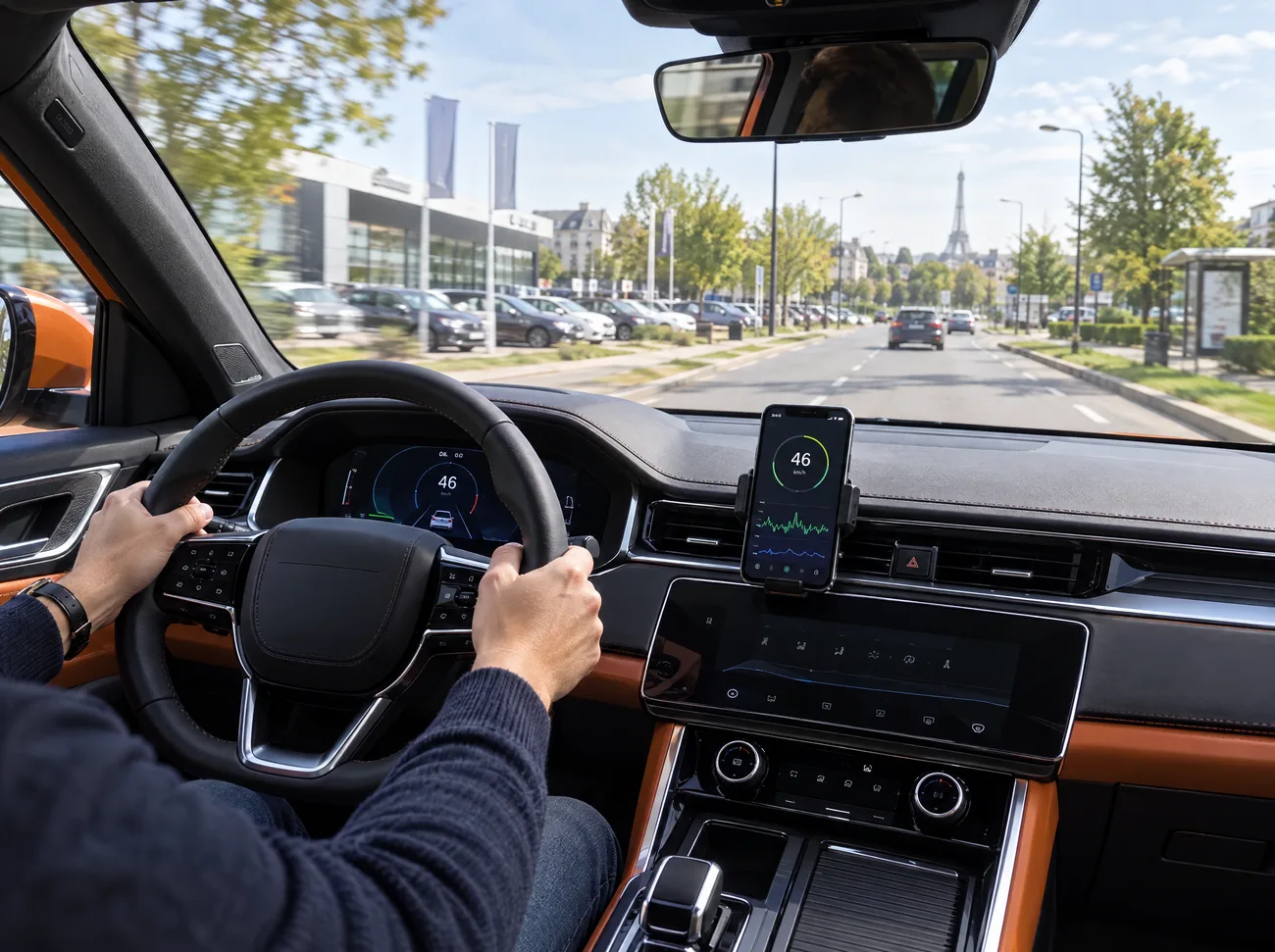 01
Record real drives, the same way
DeepDiag reads the car's own signals during a standard road test, on any car that passes through.
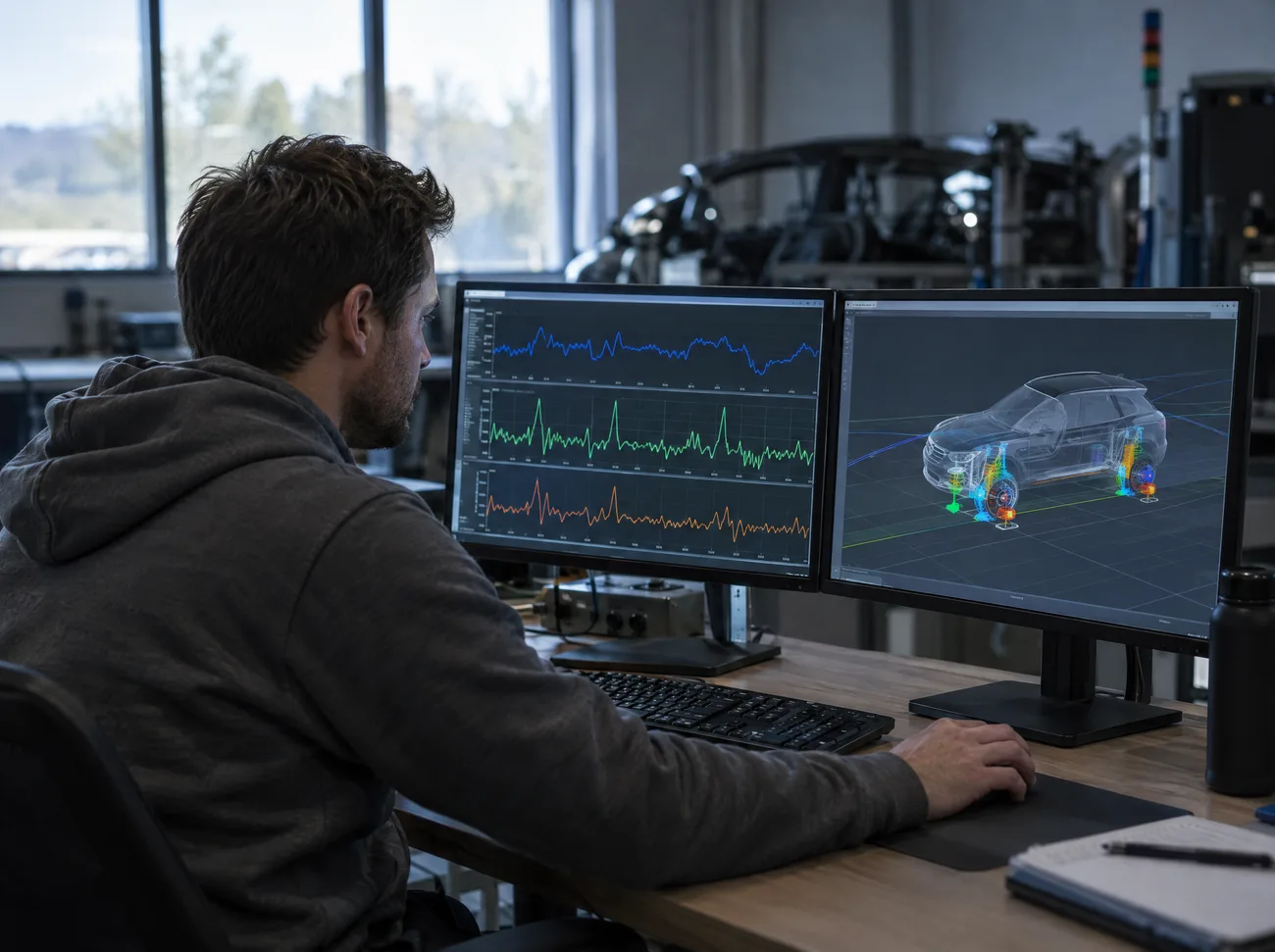 02
Model with physics
Physics-informed models turn the signals into behaviour you can compare with what a healthy car should do.
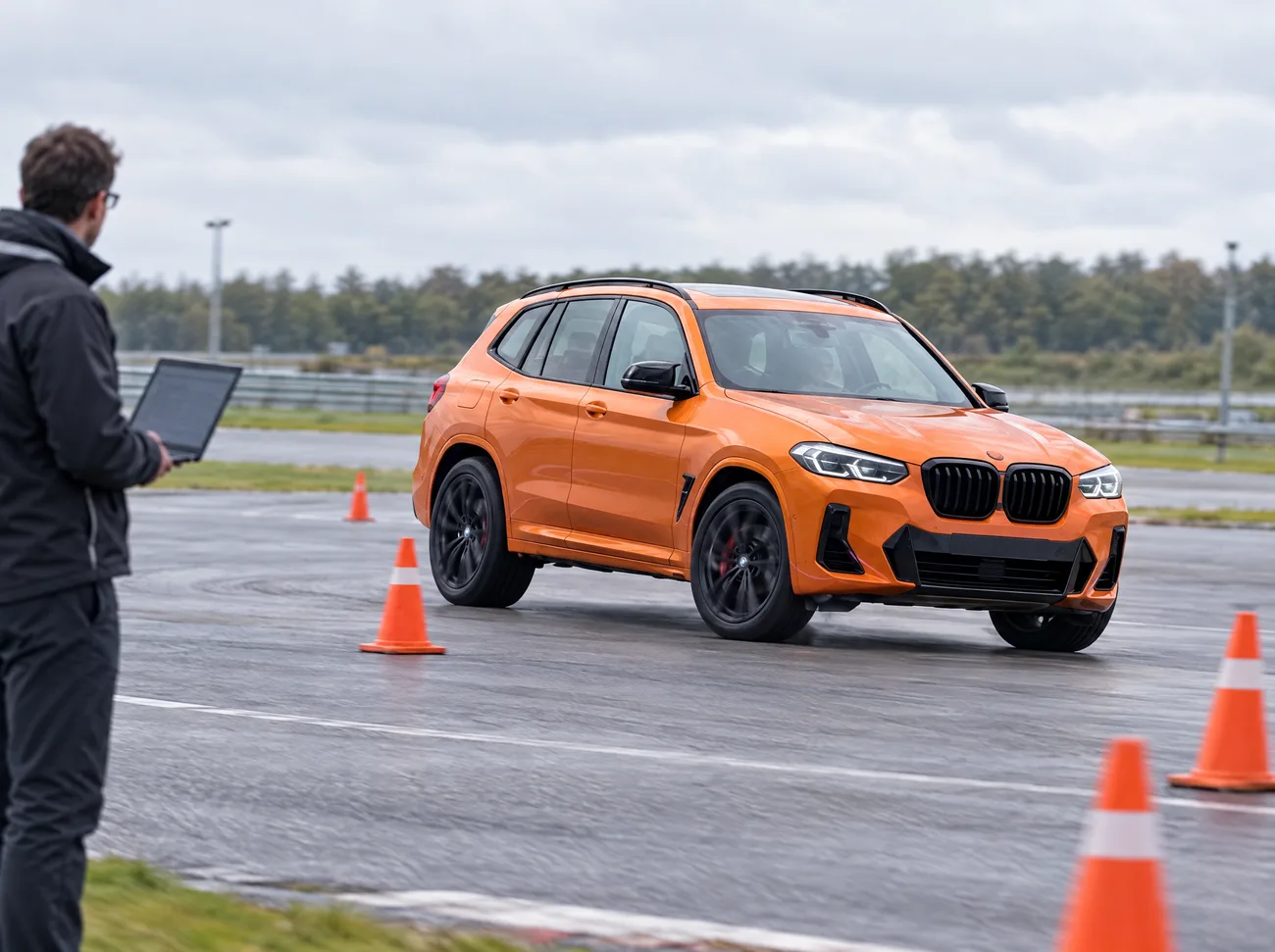 03
Validate against the road
Structured, comparable drive data flows through Steer OS to your test and simulation tools, to check models against reality.
Questions from engineering teams
Before a pilot.
Yes. Every inspection follows the same capture and the same short road test — accelerate, brake, U-turn — so results can be compared across sites and partners.
A dated evidence report per car — exterior, engine, battery, suspension and brakes — available in Steer Autos and through Steer OS to your own systems.
With a demo, then a scoped pilot on a set of vehicles or sites. We agree the protocol and the data you need before the first car.
Steer OS is built to bring the inspection, the price and the documents into the tools you already use, from your DMS to your claims or fleet systems.
Bring real drives into your validation.
Comparable road-test data, read from the car's own signals.