Physics-informed models, explained
Why we combine the laws that govern a vehicle with the data it records, rather than learning from data alone.
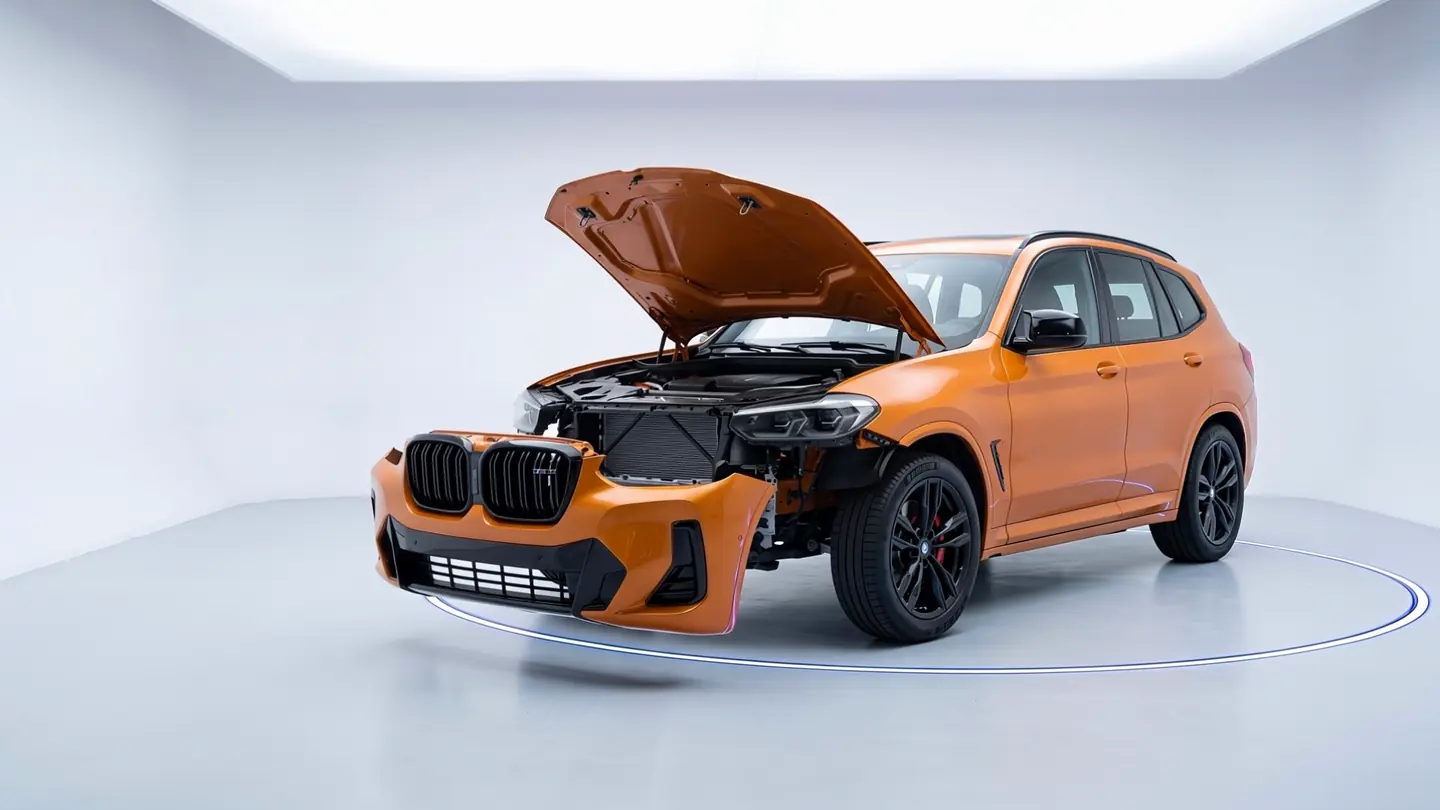
A purely data-driven model learns patterns from examples. That works when examples are plentiful and similar. Used cars are the opposite: every car has its own history, options and wear.
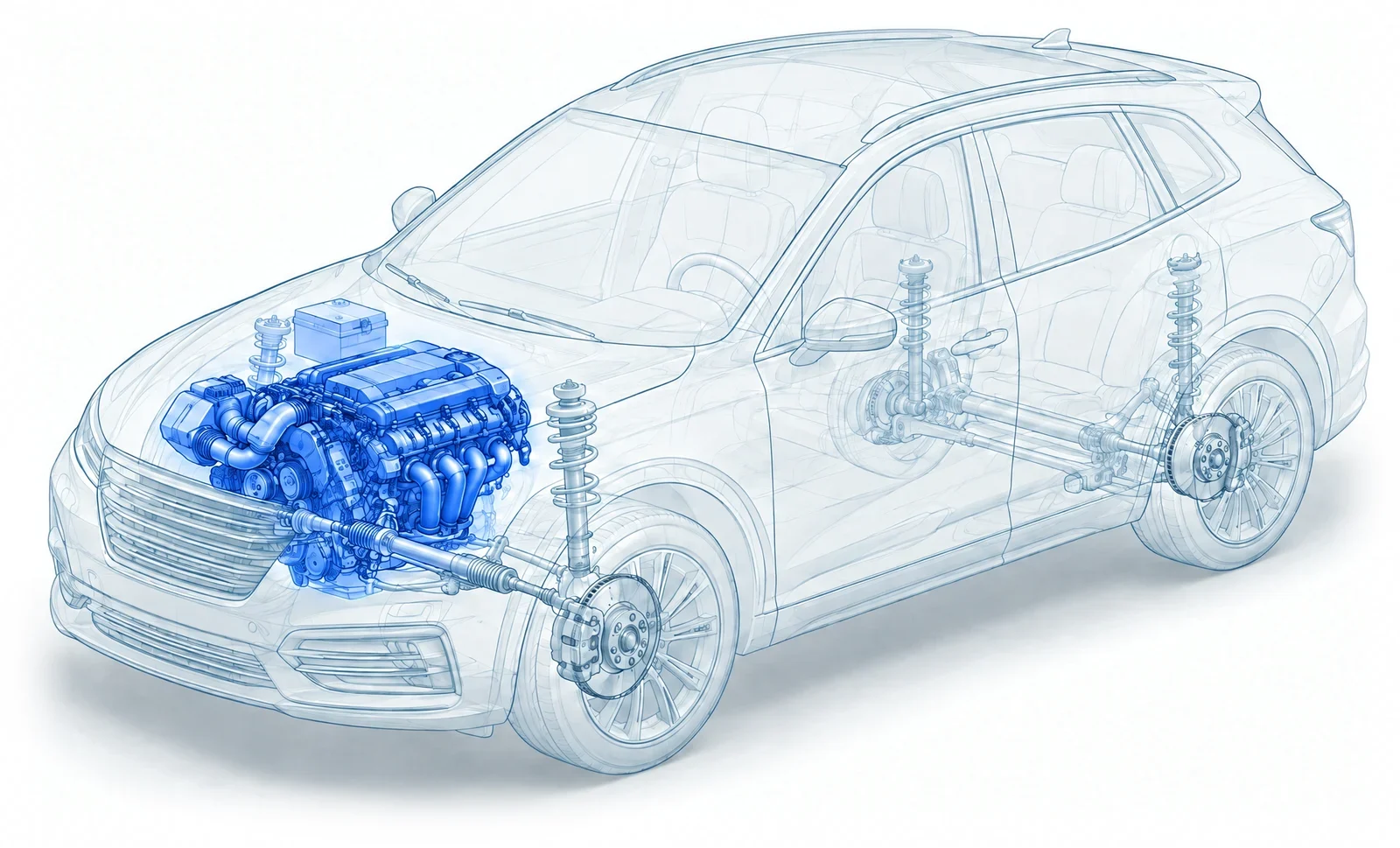
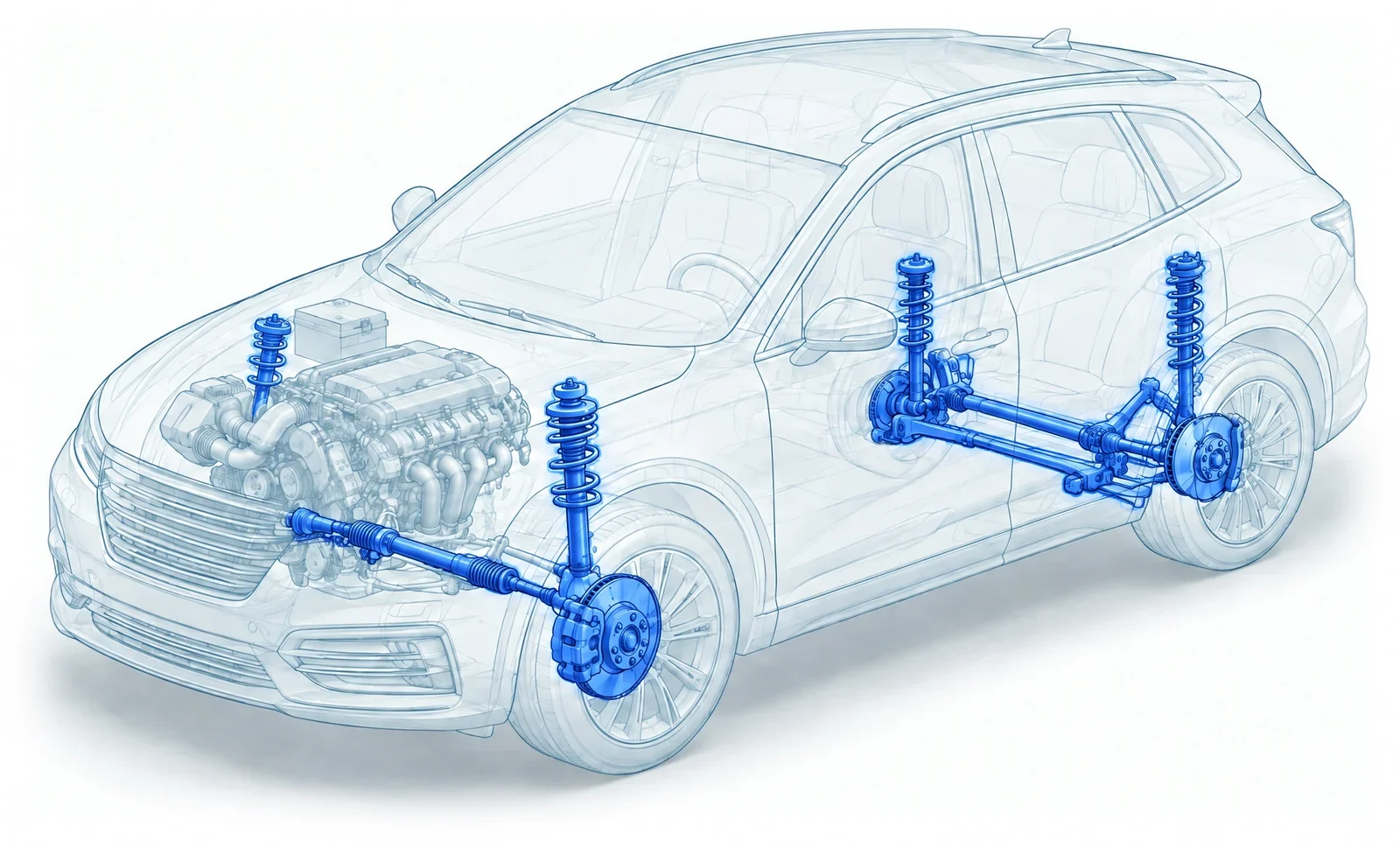
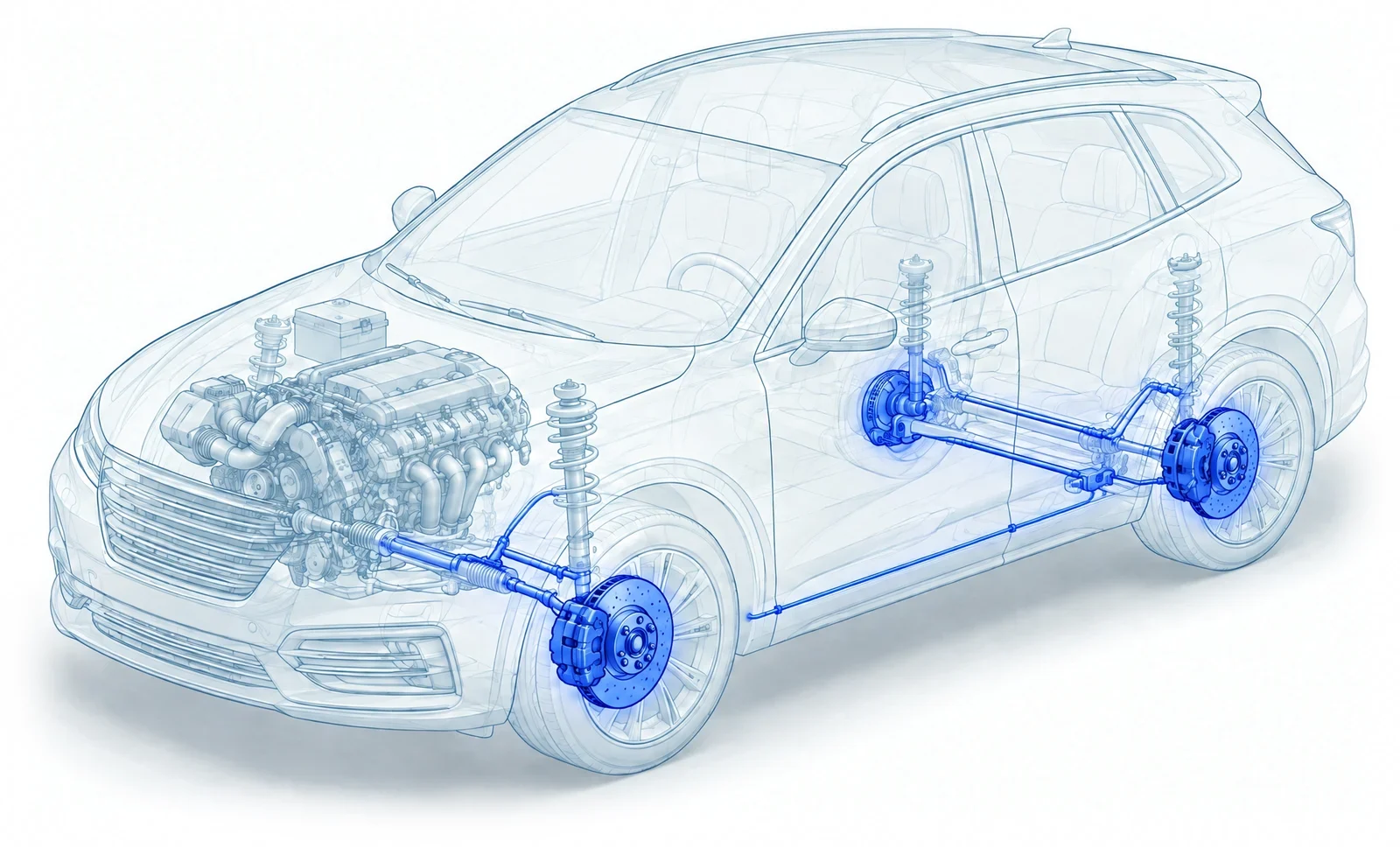
Physics-informed models start from the laws that govern how a vehicle behaves: how mass, power and grip relate during acceleration, how a car should decelerate, how a suspension should absorb a load.
The data recorded on the road test is read through those laws. A gap between what the physics expects and what the car actually does is what points to a problem.
This makes the verdict explainable: each finding can be traced back to a measured behaviour, not to an opaque score.
It is also what lets a short test produce a verdict on engine, battery, brakes and suspension, and keep that verdict consistent across sites.
These notes describe the method in general terms. Findings in a report always come from the car's own road test.